Loft insulation is a key component of creating an energy-efficient home, but it’s not just about choosing the right material or installer. There are specific regulations and standards in the UK that govern how loft insulation should be installed to ensure safety, effectiveness, and compliance with building codes. Whether you’re planning a DIY project or hiring a professional, understanding these regulations is essential. In this blog, we’ll break down the key rules and guidelines you need to know.
Why Are Regulations Important?
Regulations for loft insulation exist to:
- Ensure Safety: Proper installation reduces fire risks, prevents damp issues, and ensures electrical safety.
- Maximise Efficiency: Following regulations ensures the insulation performs as intended, helping you save on energy bills.
- Protect Your Property: Compliance with building regulations prevents issues that could lead to costly repairs or penalties.
- Meet Legal Requirements: If you’re selling your home, non-compliance with insulation regulations could affect your property’s value or saleability.
Key Regulations for Loft Insulation in the UK
Here are the main regulations and standards to consider when installing loft insulation:
1. Building Regulations (Part L)
Part L of the Building Regulations focuses on the conservation of fuel and power. It sets out the minimum thermal performance standards for buildings, including loft insulation.
- U-Value Requirement: The U-value measures how well a material prevents heat transfer. For loft insulation, the U-value must be 0.16 W/m²K or lower. This typically requires a thickness of:
- 270mm of mineral wool insulation.
- Equivalent performance from other materials, such as foil insulation or rigid boards.
- New Builds vs. Retrofits: New builds must meet stricter standards, while retrofits should aim to improve energy efficiency as much as possible.
2. Fire Safety Regulations
Fire safety is a critical consideration when installing loft insulation:
- Non-Combustible Materials: Insulation materials should meet fire safety standards. For example, foil insulation is often fire-resistant, while some traditional materials may require additional fireproofing.
- Clearance Around Heat Sources: Maintain a safe distance between insulation and heat-producing elements, such as downlights, chimneys, and extractor fans.
3. Ventilation Requirements
Proper ventilation is essential to prevent condensation and damp in your loft:
- Maintain Airflow: Do not block ventilation points, such as eaves or soffit vents, with insulation.
- Breathable Materials: Some modern insulation materials, like foil insulation, are designed to allow moisture to escape while retaining heat.
4. Electrical Safety
Loft insulation must be installed carefully around electrical wiring to prevent overheating:
- Avoid Covering Cables: Insulation can cause cables to overheat if they are completely covered. Leave space around wiring or consult an electrician for advice.
- Use Protective Covers: Downlights and other electrical fixtures should be fitted with fire-rated covers to prevent heat build-up.
5. Access and Storage
If your loft is used for storage or access, additional measures may be required:
- Raised Loft Boards: Insulation should not be compressed under storage boards, as this reduces its effectiveness. Use raised loft boarding systems to maintain the insulation’s thickness.
- Safe Access: Ensure there is a safe walkway to any equipment, such as water tanks or solar inverters, that may need maintenance.
Choosing the Right Insulation Material
Different insulation materials have varying properties, and some may be better suited to your needs than others. Here’s how they compare in terms of regulations:
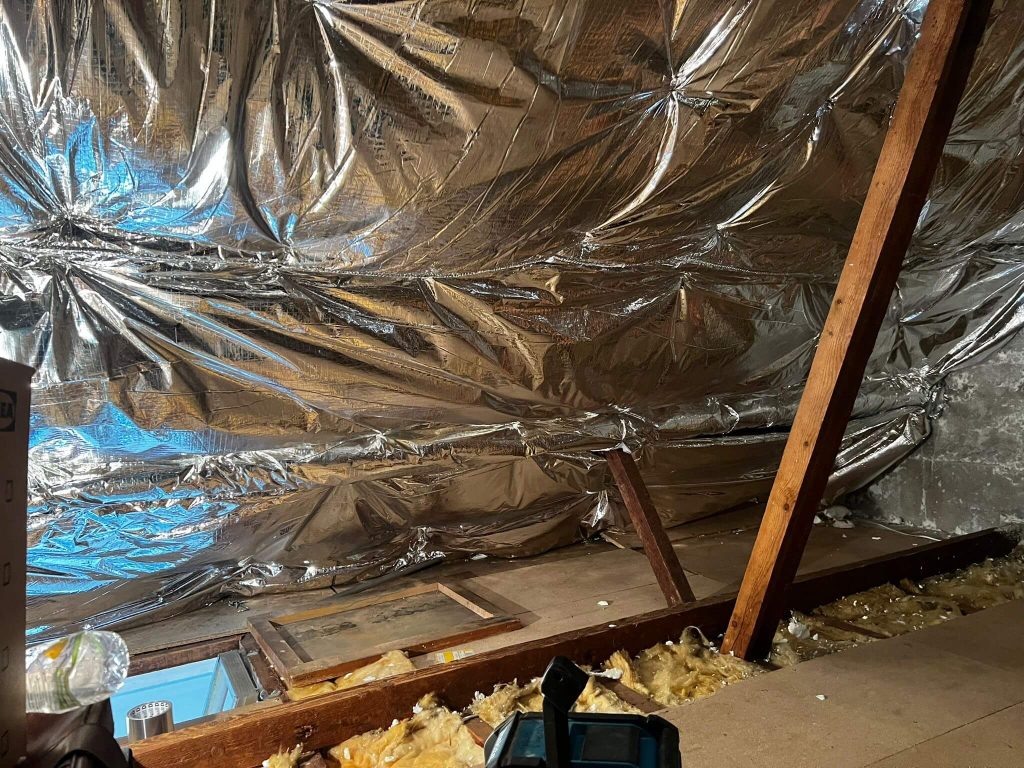
- Foil Insulation: Thin, reflective, and fire-resistant, foil insulation meets modern safety and efficiency standards while being easy to install.
- Mineral Wool: Affordable and effective but requires a greater thickness to meet U-value requirements.
- Rigid Foam Boards: High thermal performance but may need professional installation to ensure compliance with fire and ventilation regulations.
Professional Installation vs. DIY
While DIY loft insulation can save money, it’s important to ensure compliance with all regulations. Hiring a professional installer has several advantages:
- Expert Knowledge: Professionals are familiar with building regulations and can ensure your insulation meets all requirements.
- Quality Assurance: Accredited installers provide warranties and guarantees for their work.
- Safety: Professionals can address potential hazards, such as electrical wiring or damp issues, before installation.
Why Choose Loft Foil?
At Loft Foil, we specialise in modern, high-performance foil insulation that complies with all UK regulations. Here’s why we’re the right choice:
- Regulation Expertise: Our team ensures your insulation meets U-value, fire safety, and ventilation requirements.
- Efficient Installation: We use advanced techniques to maximise thermal performance without compromising safety.
- Eco-Friendly Solutions: Our foil insulation is designed to reduce energy consumption and carbon emissions.
Final Thoughts
Understanding the regulations for loft insulation is crucial for ensuring a safe, effective, and compliant installation. Whether you’re upgrading your home’s energy efficiency or building a new property, following these guidelines will help you achieve the best results.
If you’re ready to insulate your loft, contact Loft Foil today. Our team of experts will guide you through the process, ensuring your insulation meets all regulations and delivers long-lasting benefits. Let’s work together to create a warmer, greener home!