When considering loft insulation, most people focus on its ability to reduce energy bills and improve home comfort. However, one often-overlooked benefit is its impact on indoor air quality. The air we breathe inside our homes plays a crucial role in our health and well-being, and loft insulation can significantly influence this. In this blog, we’ll explore how loft insulation affects indoor air quality and why multifoil insulation is an excellent choice for creating a healthier home environment.
How Loft Insulation Affects Indoor Air Quality
Loft insulation can have both positive and negative effects on indoor air quality, depending on the type of insulation used and how it is installed. Here’s how it can make a difference:
1. Reduces Draughts and Pollutants
Properly installed loft insulation creates an airtight barrier that prevents outdoor pollutants, allergens, and dust from entering your home through the roof. This is particularly important in urban areas or near busy roads, where air pollution levels are higher.
2. Prevents Damp and Mould
Damp and mould are common issues in poorly insulated homes, as heat loss through the roof can lead to condensation. Mould releases spores into the air, which can trigger respiratory issues and allergies. High-quality insulation, such as multifoil insulation, includes a vapour control layer that helps to prevent condensation, reducing the risk of damp and mould.
3. Improves Temperature Regulation
Loft insulation helps to maintain a consistent indoor temperature, reducing the need for excessive heating or cooling. This not only improves comfort but also reduces the use of heating appliances that can release pollutants, such as carbon monoxide or nitrogen dioxide, into the air.
4. Minimises Dust and Fibres
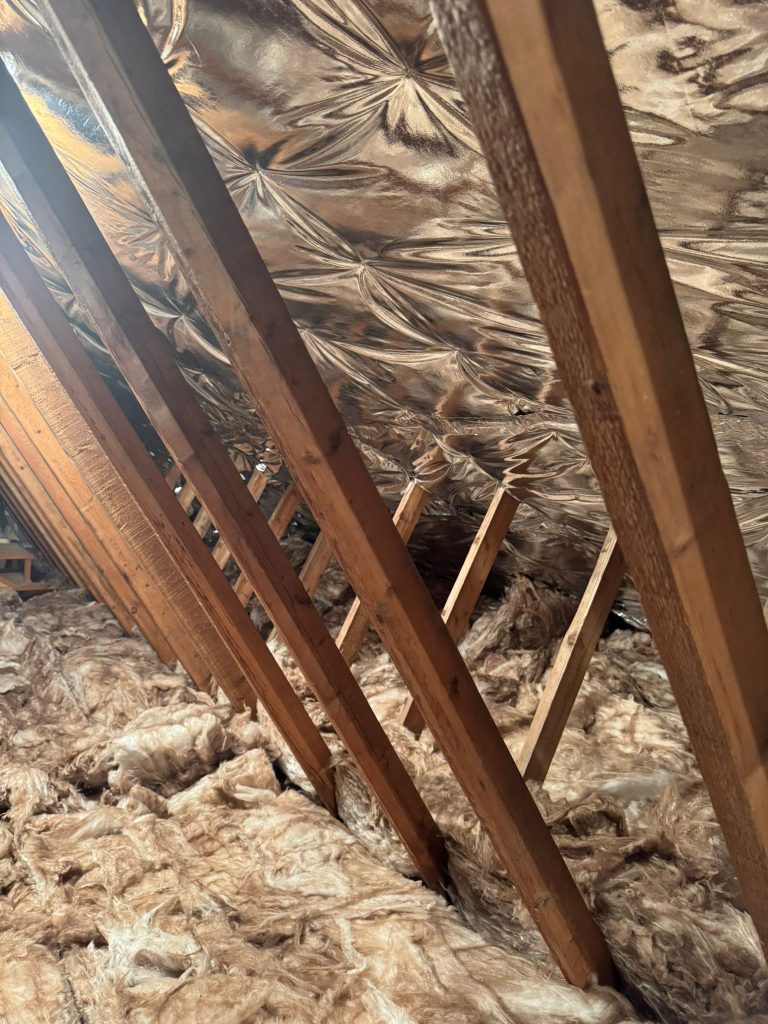
Some traditional insulation materials, such as fibreglass or mineral wool, can release tiny fibres into the air if disturbed. These fibres can irritate the respiratory system and worsen conditions like asthma. Multifoil insulation, on the other hand, is non-fibrous and does not release harmful particles, making it a safer option for indoor air quality.
The Risks of Poor Insulation on Air Quality
Without proper insulation, your home may experience issues that negatively impact indoor air quality, including:
- Increased Pollutants: Draughty homes allow outdoor pollutants, such as pollen, dust, and vehicle emissions, to enter more easily.
- Condensation and Mould: Poor insulation can lead to cold surfaces and condensation, creating the perfect environment for mould growth.
- Temperature Extremes: Inconsistent temperatures can encourage the use of inefficient heating or cooling methods, which may release harmful gases or particles into the air.
Why Multifoil Insulation Is the Best Choice for Air Quality
Multifoil insulation is an excellent option for improving indoor air quality, thanks to its unique properties:
- Airtight and Moisture-Resistant: Multifoil insulation creates a sealed barrier that prevents draughts and moisture ingress, reducing the risk of pollutants and damp.
- Non-Toxic and Non-Fibrous: Unlike some traditional materials, multifoil insulation does not release harmful fibres or particles into the air.
- Integrated Vapour Control Layer: This feature helps to prevent condensation, protecting your home from damp and mould.
- Sustainable Options: Many multifoil insulation products are made from recycled or sustainable materials, contributing to a healthier environment both inside and outside your home.
Additional Tips for Maintaining Good Indoor Air Quality
While loft insulation plays a significant role, there are other steps you can take to improve indoor air quality:
- Ensure Proper Ventilation: Use extractor fans in kitchens and bathrooms, and consider installing trickle vents or mechanical ventilation systems.
- Control Humidity Levels: Keep indoor humidity between 30-50% to prevent condensation and mould. A dehumidifier can help in particularly damp areas.
- Regular Cleaning: Dust and vacuum regularly to minimise allergens and pollutants in your home.
- Avoid Harmful Products: Use low-VOC (volatile organic compound) paints and cleaning products to reduce indoor air pollution.
Why Choose LoftFoil for Your Loft Insulation?
At LoftFoil, we specialise in installing premium multifoil insulation that not only improves your home’s energy efficiency but also enhances indoor air quality. Our expert team ensures a professional installation, creating an airtight and moisture-resistant barrier that keeps your home warm, dry, and healthy. With our high-performance insulation, you can enjoy peace of mind knowing your home is protected.
Improve Your Indoor Air Quality with LoftFoil Today
Don’t let poor insulation compromise the air you breathe. With LoftFoil’s multifoil insulation, you can create a healthier, more comfortable living environment while reducing your energy bills. Contact us today for a free consultation and discover how we can help you transform your home.