If you have noticed damp patches on your ceilings, mould growing on your roof timbers, or a sudden spike in your energy bills, you are likely asking yourself a common question: do I need better loft ventilation or insulation?
It is a dilemma faced by many homeowners across the UK, from historic Georgian townhouses in Bristol to modern developments in the West Midlands. While these two elements serve very different purposes, they are closely linked when it comes to the health and efficiency of your property.
In this guide, we will break down the debate of loft ventilation vs loft insulation to help you decide how to best protect your home.
Understanding the Core Differences
To make an informed decision, it is vital to understand what each service actually does for your property.
What is Loft Insulation?
The primary goal of Foil Loft Insulation is thermal regulation. High-performance solutions, such as our flagship YBS SuperQuilt 19-layer multifoil insulation, are designed to reflect up to 97% of radiant heat.
In the winter, this keeps the warmth inside your living spaces; in the summer, it reflects external heat away, keeping your upstairs rooms cool. Unlike traditional thick mineral wool, multifoil insulation offers a thin profile that saves space while providing superior thermal performance that meets UK Building Regulations Part L.
What is Loft Ventilation?
Ventilation is all about air movement. The purpose of loft ventilation is to facilitate loft airflow and insulation balance by allowing moist air to escape and fresh air to circulate. Without adequate airflow, the air in your loft can become stagnant, trapping moisture against your roof timbers and insulation.
The Great Debate: Loft Ventilation vs Loft Insulation
So, which one should you prioritise? The answer often depends on the specific problem you are trying to solve.
What is Loft Insulation?
The primary goal of Foil Loft Insulation is thermal regulation. High-performance solutions, such as our flagship YBS SuperQuilt 19-layer multifoil insulation, are designed to reflect up to 97% of radiant heat.
In the winter, this keeps the warmth inside your living spaces; in the summer, it reflects external heat away, keeping your upstairs rooms cool. Unlike traditional thick mineral wool, multifoil insulation offers a thin profile that saves space while providing superior thermal performance that meets UK Building Regulations Part L.
What is Loft Ventilation?
Ventilation is all about air movement. The purpose of loft ventilation is to facilitate loft airflow and insulation balance by allowing moist air to escape and fresh air to circulate. Without adequate airflow, the air in your loft can become stagnant, trapping moisture against your roof timbers and insulation.
The Great Debate: Loft Ventilation vs Loft Insulation
So, which one should you prioritise? The answer often depends on the specific problem you are trying to solve.
When to prioritise Ventilation
If you are noticing dampness, musty smells, or visible mould, you are likely dealing with a moisture problem. In these cases, you need to focus on how to prevent loft condensation. Proper ventilation ensures that moisture doesn’t settle on cold surfaces, which is critical for protecting the structural integrity of your roof.
When to prioritise Insulation
If your main concern is high energy bills or uncomfortable temperature fluctuations in your home, insulation is your priority. If your home feels draughty or you are struggling to maintain heat during the winter months, upgrading to a high-quality multifoil system can help you save up to 50% on energy costs.
Can You Have Both? (The Importance of Balance)
The most important thing to understand is that insulation and ventilation are not mutually exclusive; in fact, they must work in harmony.
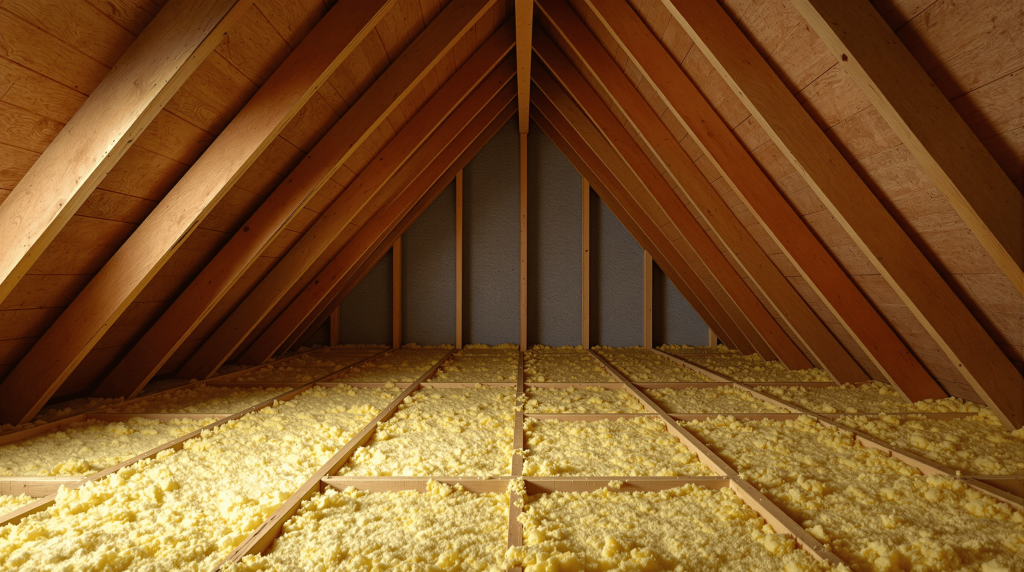
If you install heavy, traditional insulation without ensuring there is enough airflow, you risk trapping moisture underneath the insulation. This can lead to the “decay zone”—where timber moisture content rises above 20%, potentially leading to dry rot or wet rot.
This is where modern technology makes a massive difference. Unlike traditional fibreglass or mineral wool, which can sag, settle, and trap moisture, our SuperFOIL multifoil insulation features an integrated vapour control layer. This helps to manage moisture levels more effectively, reducing the risk of condensation while still providing world-class thermal protection.
If you are currently struggling with moisture issues, we recommend reading our detailed guide on How to Stop Condensation in a Loft.
Common Problems Caused by Poor Choices
- High Energy Bills: Caused by insufficient insulation.
- Mould and Damp: Often caused by a lack of ventilation or using the wrong type of insulation that traps moisture.
- Spray Foam Issues: Many homeowners discover too late that spray foam insulation can trap moisture against rafters, causing structural damage and making it difficult to secure a mortgage. If you are facing these issues, professional spray foam removal may be necessary before installing a safer, more effective solution.
How to Decide: The Professional Approach
Because every home is unique—whether it’s a cottage in the Cotswolds or a terrace in Gloucester—there is no “one size fits all” answer to the loft ventilation vs loft insulation question.
The safest and most cost-effective way to find out what your home needs is to have it assessed by an expert. A professional survey will evaluate:
- The current thermal efficiency of your loft.
- The presence of any damp or structural issues.
- The level of airflow currently present.
- Whether your current insulation (like old, mouldy fibreglass) needs replacing.