Insulating your loft is one of the most effective ways to improve your home’s energy efficiency, reduce heating bills, and create a more comfortable living space. However, when it comes to insulating hard-to-reach areas, such as tight corners or spaces around obstructions, the process can be tricky. These areas are often overlooked, but leaving them uninsulated can lead to significant heat loss. In this blog, we’ll guide you through the safe and effective installation of loft insulation in these challenging spaces, with a focus on using high-performance multifoil insulation like SuperFOIL SF19+ and SuperQuilt.
Why Insulate Hard-to-Reach Areas?
Hard-to-reach areas in your loft, such as narrow gaps, spaces around beams, or awkwardly shaped corners, can be a source of significant heat loss if left uninsulated. Properly insulating these areas ensures a complete thermal barrier, maximising energy efficiency and reducing your heating bills. Addressing these spaces is especially important in the UK, where damp and cold weather can make homes particularly vulnerable to heat loss.
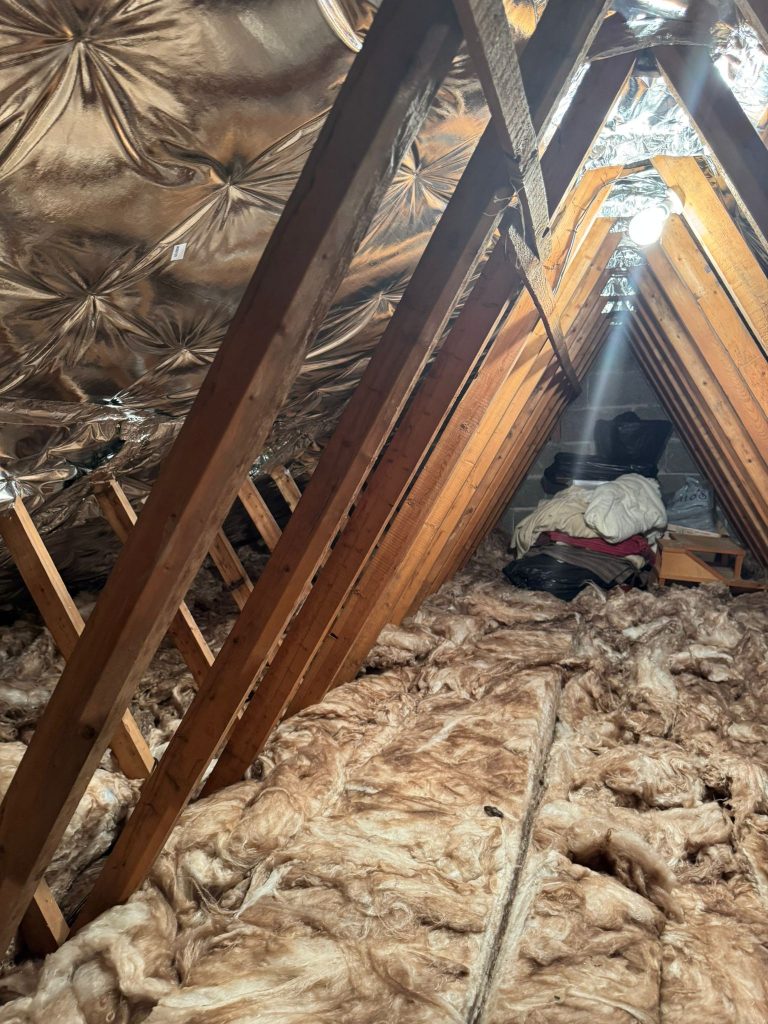
Safety First: Essential Precautions
Before starting any insulation work, it’s crucial to prioritise safety. Here are some key precautions to follow:
- Wear Protective Gear: Use gloves, a dust mask, and safety goggles to protect yourself from irritation caused by insulation materials.
- Ensure Proper Ventilation: Good airflow in the loft is essential to prevent the build-up of dust and fumes.
- Use Stable Access Equipment: If you need to reach high or awkward spaces, use a sturdy ladder or platform. Avoid overreaching, as this can lead to accidents.
- Inspect for Hazards: Check for damp, mould, or damaged timbers before starting. Address these issues before installing insulation.
- Be Mindful of Electrical Wiring: Avoid covering electrical cables with insulation, as this can cause overheating. If in doubt, consult a qualified electrician.
Why Multifoil Insulation is Ideal for Hard-to-Reach Areas
Multifoil insulation, such as SuperFOIL SF19+ and SuperQuilt, is an excellent choice for insulating hard-to-reach areas. Here’s why:
- Superior Thermal Performance: Multifoil insulation works by reflecting radiant heat, which accounts for up to 75% of heat loss in a home. It can reflect up to 97% of heat back into your home during winter and away from your home in summer.
- Lightweight and Thin: Unlike bulky traditional materials, multifoil insulation is thin and easy to handle, making it perfect for tight spaces.
- Integrated Vapour Control Layer: Many multifoil products include a vapour control layer, which helps prevent condensation and mould – a common issue in the UK’s damp climate.
- Durable and Long-Lasting: Multifoil insulation is highly durable and often comes with a lifetime guarantee, ensuring long-term performance.
- No Mortgage Issues: Unlike spray foam insulation, multifoil does not cause problems with mortgage approvals or property valuations.
Step-by-Step Guide to Insulating Hard-to-Reach Areas
1. Plan Your Approach
Assess the layout of your loft and identify the hard-to-reach areas. Measure the spaces to determine the amount of insulation required.
2. Prepare the Loft
- Clear the area of any debris and ensure the loft is dry and free from damp. Lay temporary boards to create a stable working platform if needed.
3. Install Multifoil Insulation
- Cut to Size: Measure and cut the SuperFOIL SF19+ or SuperQuilt to fit the space.
- Secure the Insulation: Staple the multifoil securely to joists or rafters. Ensure there are air gaps on either side of the foil, as these are essential for optimal performance.
- Seal Seams and Overlaps: Use foil tape to seal all cuts, overlaps, and seams. This creates an airtight and continuous barrier, maximising thermal efficiency.
- Work Around Obstructions: For pipes, beams, or other obstructions, carefully cut and fit the insulation around them, ensuring no gaps are left.
4. Inspect Your Work
Check that all gaps are filled and that the insulation is evenly installed. Ensure no ventilation points are blocked, as this can lead to condensation issues.
5. Finish with Ventilation
- Proper ventilation is essential to prevent moisture build-up. Ensure existing vents are unobstructed or consider installing additional ventilation if needed.
Why Choose LoftFoil for Your Insulation Needs?
At LoftFoil, we specialise in the professional installation of high-performance multifoil insulation, including SuperFOIL SF19+ and SuperQuilt. These industry-leading products are designed to provide superior thermal performance while being lightweight, durable, and easy to install in even the most challenging spaces. Our expert team ensures a safe, professional installation that maximises energy efficiency and comfort in your home.
Don’t let hard-to-reach areas compromise your home’s energy efficiency. Contact LoftFoil today for a free consultation and let our experienced professionals transform your loft into a well-insulated, energy-saving space. Call us now or visit our website to learn more about our services and the benefits of SuperFOIL SF19+ and SuperQuilt insulation.