Loft insulation is a long-term investment in your home’s energy efficiency, comfort, and environmental impact. With a typical lifespan of around 40 years, it’s easy to forget about it once it’s installed. However, regular maintenance is essential to ensure your insulation continues to perform at its best. In this blog, we’ll guide you through the steps to maintain your loft insulation over time and keep your home energy-efficient.
Why Is Loft Insulation Maintenance Important?
Proper maintenance of your loft insulation ensures:
- Consistent Energy Savings: Well-maintained insulation reduces heat loss, keeping your energy bills low.
- Longevity: Regular checks can prevent issues like damp or compression, which can shorten the lifespan of your insulation.
- Comfort: Maintains a consistent indoor temperature, keeping your home warm in winter and cool in summer.
- Environmental Benefits: Ensures your home continues to reduce its carbon footprint by minimising energy consumption.
Step 1: Inspect Your Loft Regularly
Regular inspections are key to identifying potential issues early. Aim to check your loft insulation at least once a year, ideally before winter. Here’s what to look for:
- Damp or Moisture: Check for signs of dampness, such as water stains, mould, or a musty smell. Damp insulation loses its effectiveness and can lead to structural damage.
- Compression: Over time, some insulation materials, like loose-fill or mineral wool, may compress, reducing their thermal performance. Ensure the insulation maintains its recommended thickness (270mm for mineral wool in the UK).
- Pests: Look for signs of pests, such as droppings or nests, which can damage insulation materials.
- Damage or Displacement: Check for areas where the insulation has been moved or damaged, especially if you’ve had work done in the loft.

Step 3: Avoid Overloading Your Loft
If you use your loft for storage, be mindful of how you organise it:
- Use Raised Platforms: Store items on raised platforms above the insulation layer to avoid compressing it. Compressed insulation loses its ability to trap air, reducing its thermal efficiency.
- Distribute Weight Evenly: Avoid placing heavy items directly on the insulation or joists, as this can cause damage over time.
Step 2: Address Moisture and Ventilation Issues
Moisture is one of the biggest threats to loft insulation. To prevent damp problems:
- Fix Leaks: Repair any roof leaks or damaged tiles immediately.
- Ensure Ventilation: Proper airflow is essential to prevent condensation. Check that your loft has adequate ventilation, especially if you’ve installed vapour-resistant foil insulation.
- Use Vapour Barriers: If moisture is a recurring issue, consider installing a vapour barrier to protect your insulation.
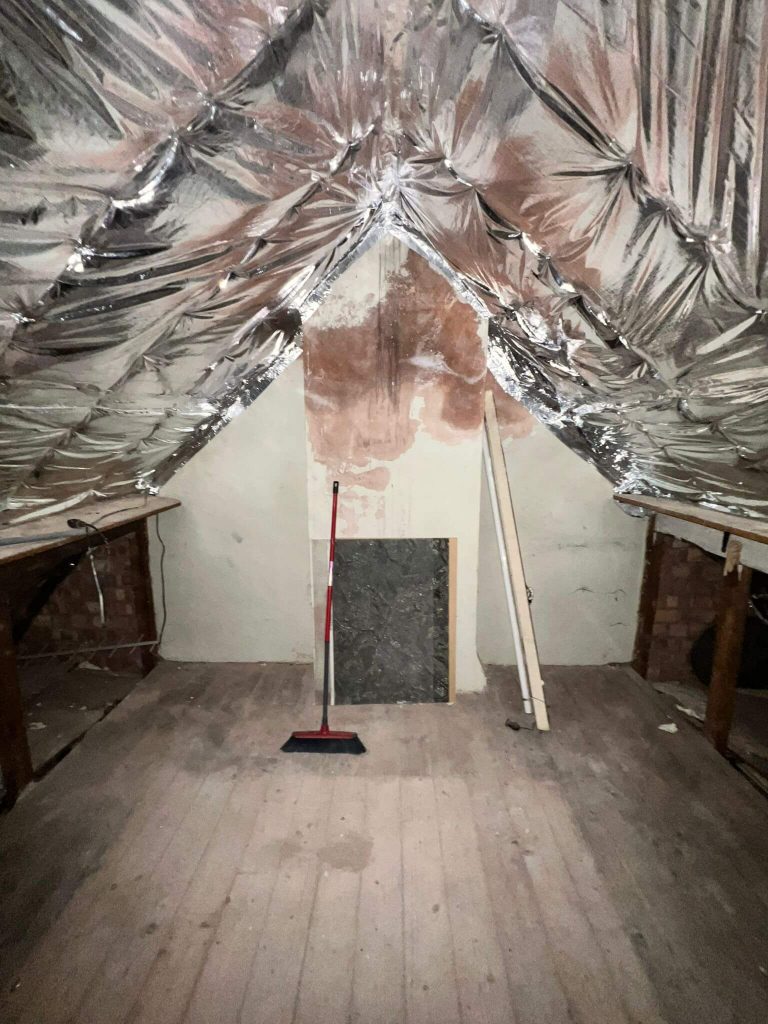
Step 5: Keep Your Loft Clean and Organised
A clean and organised loft is easier to maintain and inspect. Follow these tips:
- Remove Debris: Clear out any debris, old insulation, or unused items that may obstruct airflow or attract pests.
- Seal Gaps: Seal any gaps or cracks in the loft floor or walls to prevent draughts and keep the insulation in place.
- Protect Against Dust: If you’re using loose-fill insulation, consider covering it with a breathable membrane to minimise dust and displacement.
Step 6: Monitor Energy Bills
One of the easiest ways to spot insulation issues is by monitoring your energy bills. If you notice a sudden increase in heating costs, it could indicate that your insulation is no longer performing effectively. In such cases, inspect your loft and address any problems promptly.
To see what you could save over 10 years, use our calculator.
Step 7: Consider Professional Maintenance
While some maintenance tasks can be done yourself, professional inspections and upgrades can ensure your insulation remains in top condition:
- Annual Inspections: A professional can identify issues you might miss, such as hidden damp or inadequate ventilation.
- Upgrades: If your insulation is outdated or damaged, a professional can recommend and install modern solutions like Loftfoil’s foil insulation, which offers superior performance and durability.
Final Thoughts
Maintaining your loft insulation is essential to maximise its benefits and ensure your home remains energy-efficient and comfortable. By following these steps, you can extend the lifespan of your insulation and continue to enjoy lower energy bills and a reduced carbon footprint.
If you’re considering upgrading your insulation or need professional advice, Loftfoil is here to help. Our team of experts can assess your loft, recommend the best solutions, and ensure your insulation is performing at its best. Contact us today to learn more about our services and start saving energy!