Condensation in your loft can be a frustrating and potentially damaging issue. Left unchecked, it can lead to mould growth, timber rot, and even structural damage. Fortunately, there are effective ways to address and prevent condensation in your loft. In this blog, we’ll explore the causes of loft condensation, how to dry it out, and how proper insulation, such as multifoil insulation, can help prevent it in the future.
What Causes Condensation in a Loft?
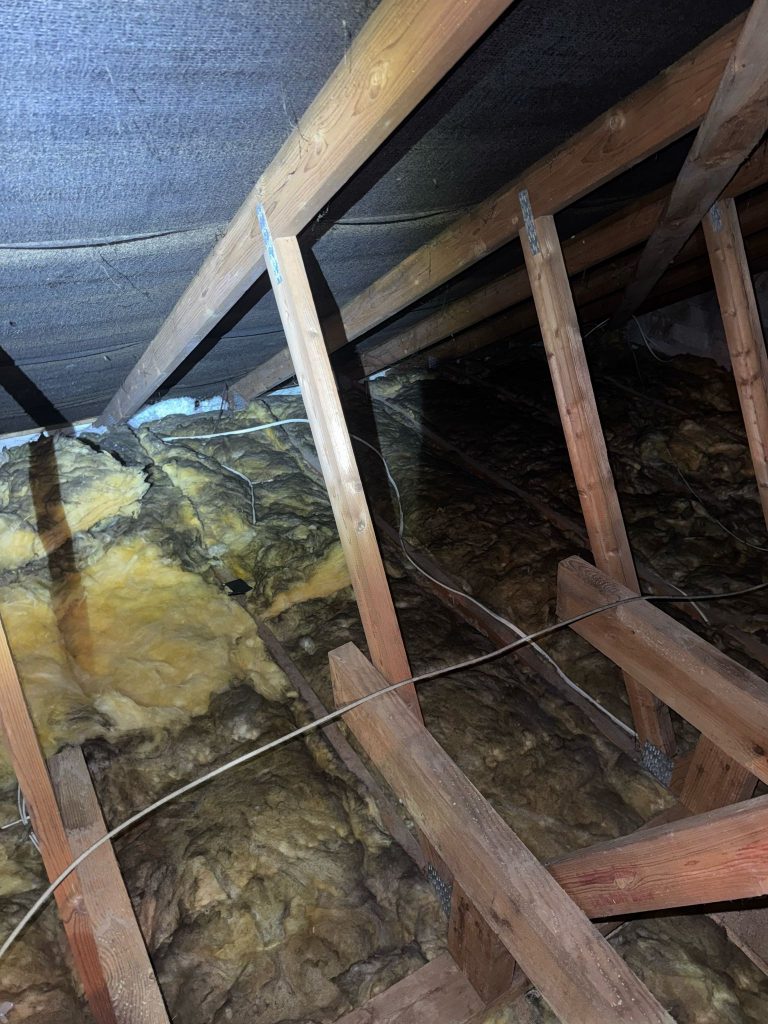
Condensation occurs when warm, moist air comes into contact with a cold surface, such as the underside of your roof. This is particularly common in lofts during colder months when the temperature difference between the inside and outside of your home is significant. Common causes include:
- Poor Ventilation: Without adequate airflow, moisture-laden air becomes trapped in the loft.
- Inadequate Insulation: Insufficient or poorly installed insulation can lead to cold spots where condensation forms.
- Moisture Sources: Activities like cooking, showering, and drying clothes indoors release moisture into the air, which can rise into the loft.
- Roof Leaks: Water ingress from damaged tiles or flashing can exacerbate the problem.
How to Dry Out Condensation in Your Loft
If you’ve noticed condensation in your loft, it’s important to act quickly to minimise damage. Here are the steps you can take:
1. Improve Ventilation
- Ensure your loft has adequate ventilation to allow moist air to escape. This can be achieved by:
- Installing or unblocking soffit vents.
- Adding roof vents or ridge vents.
- Using breathable roofing membranes.
- Avoid blocking existing vents with insulation or stored items.
2. Reduce Moisture Sources
- Use extractor fans in kitchens and bathrooms to expel moist air directly outside.
- Avoid drying clothes indoors or ensure the area is well-ventilated.
- Consider using a dehumidifier to reduce overall indoor humidity levels.
3. Check for Roof Leaks
- Inspect your roof for damaged tiles, flashing, or other issues that could allow water ingress. Repair any damage promptly to prevent further moisture build-up.
5. Dry Out the Loft
- If condensation has already formed, you’ll need to dry out the affected areas:
- Use a portable heater or fan to circulate warm air and speed up the drying process.
- Open loft hatches and windows (if available) to improve airflow.
- Remove any damp or wet insulation and replace it once the area is dry.
4. Install Proper Insulation
- Insulation plays a crucial role in preventing condensation by maintaining a consistent temperature in your loft. Multifoil insulation, in particular, is an excellent choice as it includes an integrated vapour control layer to prevent moisture from passing through and condensing on cold surfaces.
- Multifoil insulation also reflects radiant heat, keeping your loft warmer in winter and cooler in summer, further reducing the risk of condensation.
Preventing Condensation in the Future
Once you’ve addressed the immediate issue, it’s essential to take steps to prevent condensation from returning. Installing high-quality multifoil insulation is one of the most effective ways to achieve this. Multifoil insulation not only provides superior thermal performance but also acts as a barrier against moisture, helping to keep your loft dry and your home energy-efficient.
Why Choose LoftFoil?
At LoftFoil, we specialise in installing premium multifoil insulation tailored to your home’s needs. Our expert team ensures a professional installation that maximises thermal performance and minimises the risk of condensation. With our durable and lightweight insulation solutions, you can enjoy a warmer, more energy-efficient home while protecting your loft from moisture-related issues.