Choosing the right loft insulation material is a crucial decision that can significantly impact your home’s energy efficiency, comfort, and long-term savings. With so many options available, it’s important to consider factors like thermal performance, cost, environmental impact, and suitability for your specific needs. In this guide, we’ll walk you through the key considerations to help you make an informed choice.
Why Loft Insulation is Important
Loft insulation is one of the most effective ways to reduce heat loss, as up to 25% of a home’s heat can escape through the roof. Proper insulation not only lowers energy bills but also reduces your carbon footprint and increases your home’s overall comfort. UK building regulations recommend a minimum insulation depth of 270mm for materials like mineral wool, but the type of material you choose can make a big difference in performance and practicality.
Key Factors to Consider When Choosing Loft Insulation
1. Thermal Performance
The primary purpose of insulation is to reduce heat loss, so thermal performance is a critical factor. This is measured by the material’s thermal conductivity (lambda value), with lower values indicating better performance. Materials like PIR boards and foil insulation are highly efficient, while natural materials like sheep wool and hemp also perform well but may require greater thickness.
2. Space Availability
The amount of space in your loft will influence your choice of insulation. If you have limited headroom or need to maximise storage space, thinner materials like foil insulation or PIR boards are ideal. Bulkier options like mineral wool or natural materials may require more space to achieve the same level of thermal performance.
3. Moisture Resistance
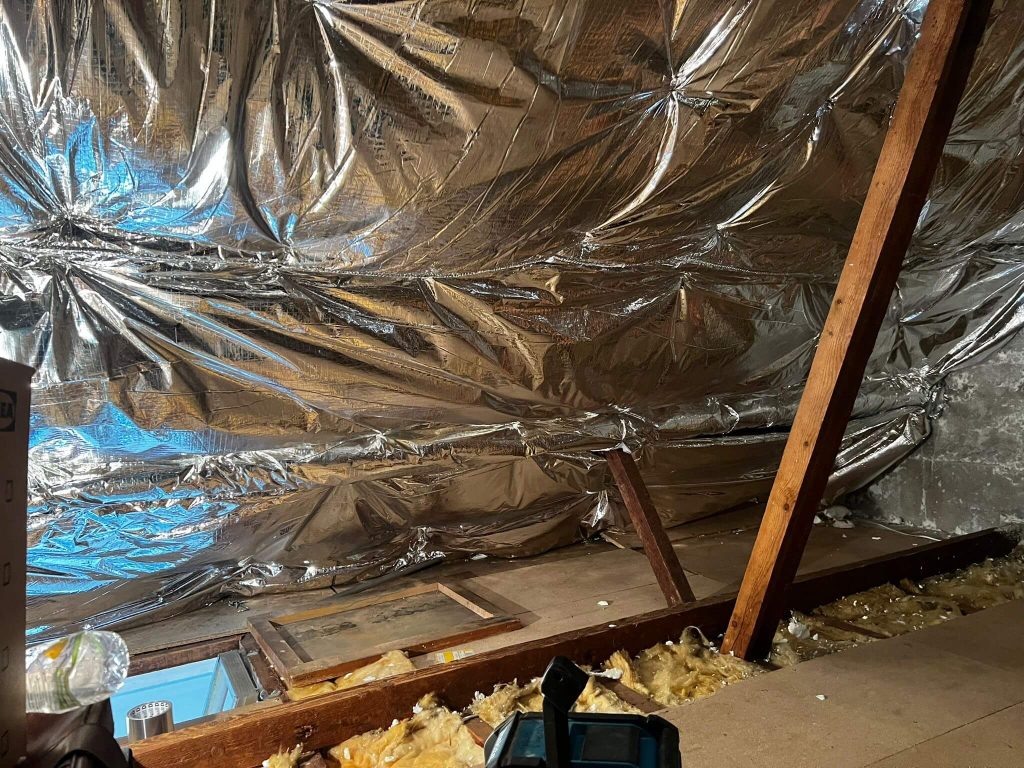
Moisture can significantly impact the performance of insulation. Materials like foil insulation act as a vapour barrier, preventing moisture build-up and reducing the risk of condensation and mould. Natural materials like sheep wool are hygroscopic, meaning they can absorb and release moisture without losing their insulating properties, but they may still be prone to mould in very damp conditions.
4. Environmental Impact
If sustainability is a priority, consider materials with low embodied energy and renewable or recycled content. Natural options like sheep wool, hemp, and cellulose are eco-friendly and biodegradable. Recycled plastic insulation is another sustainable choice, as it repurposes waste materials. Foil insulation, while not biodegradable, is often recyclable and has a long lifespan, reducing the need for replacement.
5. Ease of Installation
Some insulation materials are easier to handle and install than others. Foil insulation is lightweight, clean, and simple to fit, making it a great option for DIY projects. In contrast, fibrous materials like mineral wool and Rockwool can produce dust and fibres that irritate the skin and respiratory system, requiring protective gear during installation.
6. Fire Resistance
Fire safety is an important consideration, especially in loft spaces. Materials like Rockwool and sheep wool are naturally fire-resistant, while foil insulation is non-combustible but may include foam layers that require fire treatment. Always check the fire safety certifications of the material you choose.
7. Cost
Your budget will play a significant role in your decision. Mineral wool and fibreglass are among the most affordable options, while natural materials like sheep wool and hemp tend to be more expensive. Foil insulation and PIR boards fall in the mid-to-high price range but offer excellent long-term value due to their durability and performance.
Popular Loft Insulation Materials and Their Suitability
- Best for: Homes with limited loft space, modern builds, and areas prone to moisture.
- Pros: Thin, lightweight, acts as a vapour barrier, easy to install, long-lasting.
- Cons: Higher upfront cost compared to some traditional materials.
- Best for: Homes needing affordable, fire-resistant insulation.
- Pros: Good thermal and acoustic performance, fire-resistant, cost-effective.
- Cons: Bulky, produces dust and fibres, requires protective gear during installation.
- Best for: Eco-conscious homeowners and homes in colder climates.
- Pros: Sustainable, moisture-regulating, fire-resistant, safe to handle.
- Cons: Expensive, bulkier, may attract pests if not treated.
- Best for: Homes needing high thermal performance in a thin profile.
- Pros: Excellent thermal conductivity, durable, space-saving.
- Cons: Expensive, requires precise cutting and fitting.
- Best for: Homes looking for a recycled, eco-friendly option.
- Pros: Made from recycled paper, good thermal performance, cost-effective.
- Cons: Can settle over time, requires professional installation.
- Best for: Homes prioritising sustainability and safe handling.
- Pros: Made from recycled materials, moisture-resistant, non-irritating.
- Cons: Higher cost, not biodegradable.
Final Tips for Choosing the Right Insulation
- Assess your loft’s specific needs, including space, moisture levels, and fire safety requirements.
- Consider the long-term value of the material, not just the upfront cost. Durable options like foil insulation can save money over time by reducing energy bills and lasting for decades.
- If you’re unsure, consult a professional to assess your loft and recommend the best material for your home.
- Look at Foil Insulation Services Here.
Final Thoughts
Choosing the right loft insulation material is a balance between performance, practicality, and budget. While traditional materials like mineral wool and natural options like sheep wool have their benefits, modern solutions like foil insulation offer unmatched versatility, durability, and efficiency. By carefully considering your home’s needs and priorities, you can select the insulation material that will provide the best results for years to come.
If you’re considering foil insulation, our team of experts can help with professional installation to ensure optimal performance. Contact us today to learn more about how foil insulation can transform your home’s energy efficiency.