Foil Insulation vs PIR Insulation: Which one is the Best Choice for Your Loft?
When it comes to loft insulation, choosing the right material can significantly impact your home’s energy efficiency, comfort, and long-term savings. Two popular options are foil insulation and PIR (polyisocyanurate) insulation. Both are modern, high-performance materials, but foil insulation offers unique advantages that make it a standout choice for many homeowners. In this blog, we’ll compare these two insulation types to help you decide which is the best fit for your loft.
Why Loft Insulation is Important
Loft insulation is one of the most effective ways to reduce heat loss, as up to 25% of a home’s heat can escape through the roof. Proper insulation not only lowers energy bills but also reduces your carbon footprint and increases your home’s energy efficiency. UK building regulations recommend a minimum insulation depth of 270mm for materials like mineral wool, ensuring optimal thermal performance.
Foil Insulation: A Lightweight, Reflective Solution
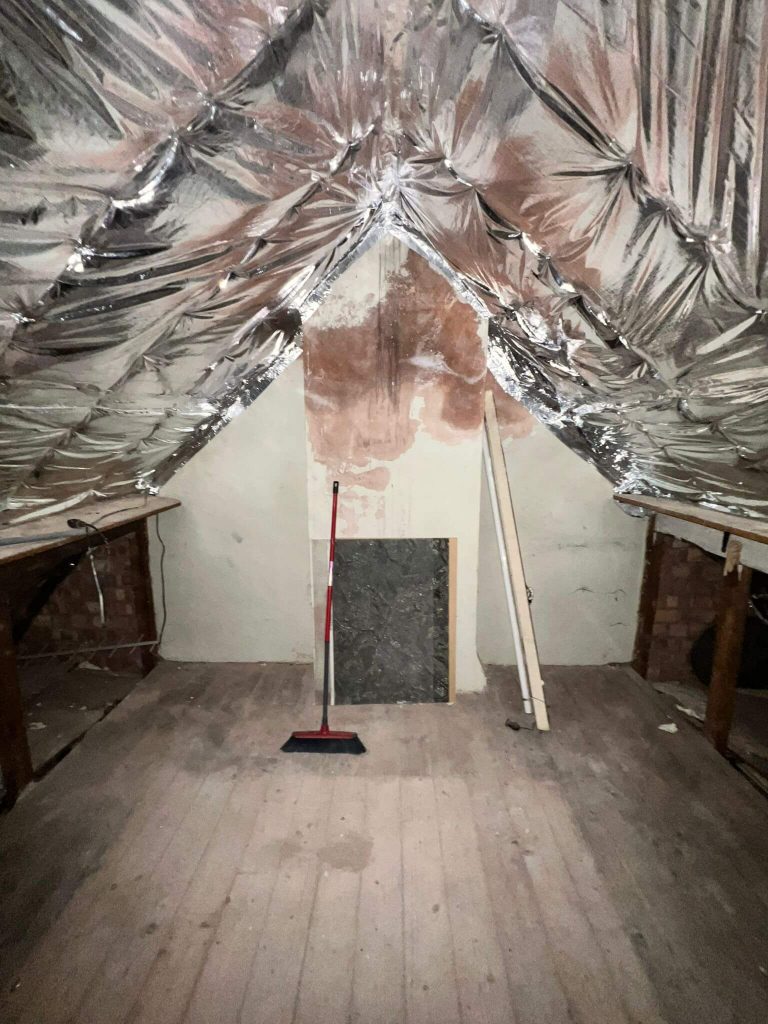
Foil insulation, also known as multifoil insulation, is a modern material designed to reflect radiant heat. It consists of multiple layers of reflective aluminium foil alternated with insulating materials like foam wadding. This innovative design makes it a highly effective and versatile option for loft insulation.
Benefits of Foil Insulation
- Reflects up to 97% of radiant heat, keeping your home warmer in winter and cooler in summer.
- Thin and lightweight, making it ideal for tight spaces or areas where traditional bulky insulation isn’t practical.
- Acts as a vapour control layer, preventing moisture build-up and reducing the risk of condensation and mould.
- Durable and long-lasting, often coming with a lifetime guarantee.
- Clean and safe to handle, as it doesn’t produce dust or fibres during installation.
- Easy to install, with the option for DIY or professional fitting.
Why Foil Insulation Stands Out
Foil insulation is particularly effective in homes where radiant heat is a concern, such as in warmer climates or under roof tiles. Its reflective properties make it a standout choice for improving energy efficiency without requiring thick layers of material. Additionally, it avoids the issues associated with some other modern insulation types, such as the potential for mortgage or surveyor concerns.
PIR Insulation: A High-Performance Rigid Board
PIR insulation is a rigid foam board made from polyisocyanurate, a thermoset plastic. It is widely used in construction for its excellent thermal performance and versatility. PIR boards are often installed in lofts, walls, and floors to improve a building’s energy efficiency.
Benefits of PIR Insulation
- Offers excellent thermal conductivity, typically around 0.022 W/mK, making it one of the most efficient insulation materials available.
- Rigid and durable, providing long-term performance without sagging or compressing over time.
- Lightweight and easy to cut, making it suitable for a variety of applications.
- Can be used in both warm and cold loft setups, depending on the installation method.
Drawbacks of PIR Insulation
- Requires precise cutting and fitting to avoid gaps, which can reduce its effectiveness.
- Does not act as a vapour barrier, so additional measures may be needed to prevent condensation.
- Can be more expensive than other insulation types, especially when professional installation is required.
- Produces dust during cutting, which can irritate the skin and respiratory system, requiring protective gear during installation.
Comparing Foil Insulation and PIR Insulation
| Feature | Foil Insulation | PIR Insulation |
|---|---|---|
| Material | Aluminium foil with foam wadding | Rigid polyisocyanurate foam |
| Thermal Performance | Reflects radiant heat effectively | Excellent for conductive heat loss |
| Moisture Management | Acts as a vapour barrier | Requires additional vapour control |
| Thickness | Thin and lightweight | Thicker, requiring more space |
| Installation | Easy to handle and install | Requires precise cutting and fitting |
| Environmental Impact | Some brands use recycled materials | High embodied energy, not recyclable |
| Lifespan | Durable, often with a lifetime guarantee | Long-lasting, but may degrade over time |
| Cost | Affordable upfront | Higher material and installation costs |
Why Foil Insulation is a Great Choice
Foil insulation offers a unique combination of benefits that make it a standout option for many homeowners. Its ability to reflect radiant heat, combined with its lightweight and thin design, makes it ideal for lofts where space is limited. It also acts as a vapour barrier, reducing the risk of condensation and mould, which is particularly important in the UK’s damp climate.
While PIR insulation is a high-performance material, it requires precise installation to achieve its full potential. It is also thicker and less versatile than foil insulation, making it less suitable for tight spaces or areas where maintaining loft height is a priority.
Final Thoughts
Both foil insulation and PIR insulation are excellent choices for loft insulation, but foil insulation stands out for its modern design, ease of installation, and superior performance in reflecting radiant heat. By understanding their properties and applications, you can select the material that best suits your home’s needs and your personal preferences.
If you’re considering foil insulation, our team of experts can help with professional installation to ensure optimal performance. Contact us today to learn more about how foil insulation can transform your home’s energy efficiency!