EPC Recommendations Explained: How to Improve Your Home’s Energy Rating
If you are planning to sell your home, rent out a property, or simply want to lower your monthly outgoings, you have likely come across an Energy Performance Certificate (EPC). While the certificate itself provides a colour-coded rating from A to G, the most valuable part of the document is often the list of suggested improvements at the end.
But EPC recommendations explained in plain English can be a daunting task. What do these suggestions actually mean for your wallet, your comfort, and your property value? In this guide, we break down what EPC recommendations mean and how you can tackle them effectively.
What are EPC Report Recommendations?
When an energy assessor visits your property, they evaluate everything from your heating system and lighting to your windows and insulation. The resulting EPC report recommendations are a tailored roadmap designed to help you move up the energy efficiency ladder.
If your current rating is a D or E, the recommendations act as a checklist to help you reach a more desirable B or C rating. Improving these scores isn’t just about being “green”; it is about increasing the thermal efficiency of your home, which directly translates to lower energy bills and a more comfortable living environment.
EPC Advice Explained: Common Recommendations
To help with EPC advice explained simply, we have categorised the most frequent suggestions you will see on a report:
1. Improving Insulation (The Most Common Suggestion)
Most older properties in the UK—particularly Victorian terraces in Bristol or Georgian townhouses in Bath—suffer from significant heat loss through the roof and walls. An EPC will almost always recommend increasing loft insulation or adding wall insulation.
- The traditional approach: Adding thick layers of mineral wool.
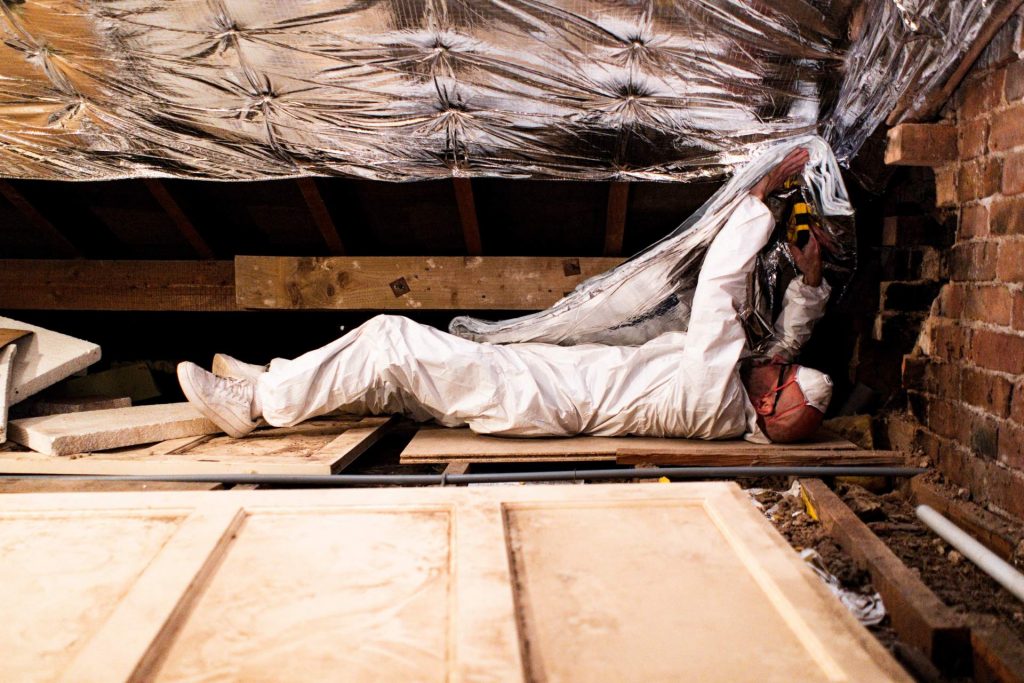
- The Loft Foil approach: Many homeowners find that traditional bulky insulation takes up too much space. We recommend Foil Loft Insulation, specifically our YBS SuperQuilt 19-layer solution. It is much thinner than traditional mineral wool but reflects up to 97% of radiant heat, helping you stay warm in winter and cool in summer without losing precious storage space.
2. Addressing Draughts and Damp
Most older properties in the UK—particularly Victorian terraces in Bristol or Georgian townhouses in Bath—suffer from significant heat loss through the roof and walls. An EPC will almost always recommend increasing loft insulation or adding wall insulation.
- The traditional approach: Adding thick layers of mineral wool.
- The Loft Foil approach: Many homeowners find that traditional bulky insulation takes up too much space. We recommend Foil Loft Insulation, specifically our YBS SuperQuilt 19-layer solution. It is much thinner than traditional mineral wool but reflects up to 97% of radiant heat, helping you stay warm in winter and cool in summer without losing precious storage space.
3. Exterior Wall Protection
For properties with solid walls, the report may suggest external wall insulation. A modern, highly effective way to achieve this is through hydrophobic coatings. Our ProPerla HomeCoat service protects your masonry from moisture penetration, keeping walls dry and significantly improving thermal performance.
4. Heating and Lighting Systems
You may see advice to upgrade to LED lighting or install a more efficient boiler. While these are important, they are often “quick fixes” compared to the long-term impact of improving your home’s insulation.
How to Prioritise Your Improvements
Not all EPC report recommendations are created equal. To make the most of your investment, we recommend following this hierarchy:
Fabric First: Always prioritise the “fabric” of your building (insulation and draught-proofing) before upgrading expensive heating systems. If your house is “leaky,” a new boiler will still struggle to keep the heat in.
Check for Structural Issues: Before acting on any advice, ensure your insulation isn’t causing issues like damp or mould. For instance, if you have old spray foam insulation, you may need professional spray foam removal before installing new solutions to avoid mortgage and structural problems.
Consult the Experts: For a deeper dive into how to navigate these changes, visit our EPC Improvement Hub for expert guidance.
Take the Guesswork Out of Your EPC
Understanding what EPC recommendations mean is the first step, but implementing them correctly requires technical expertise. For example, installing the wrong type of insulation can trap moisture, leading to timber decay—a major issue addressed by the NHBC guidelines regarding moisture content in timber.
At Loft Foil, we specialise in high-performance solutions like SuperFOIL and ProPerla that meet strict UK Building Regulations (Part L) and provide long-term protection with manufacturer-backed guarantees.
Don’t tackle your EPC improvements alone. We offer a Free Loft Survey where our experienced surveyors will visit your property, evaluate its condition, identify any damp or structural issues, and provide a tailored, no-obligation quotation to help you improve your rating.