Does Loft Insulation Improve EPC? Everything You Need to Know
If you are looking to sell your home, rent out a property, or simply reduce your monthly outgoings, you have likely encountered the Energy Performance Certificate (EPC). As energy prices fluctuate, homeowners are increasingly asking: does loft insulation improve EPC ratings?
The short answer is a resounding yes. Improving the thermal efficiency of your home is one of the most effective ways to boost your rating, and your loft is often the most significant area for improvement.
In this guide, we will explore how loft insulation EPC rating works, why insulation is a key factor, and how you can maximise your property’s value.
Understanding the Link Between Insulation and Your EPC
An EPC is a standardised rating (from A to G) that measures how energy-efficient a building is. This rating is calculated based on several factors, including heating systems, lighting, and—crucially—the building envelope (the walls and roof).
When people ask, “does insulating loft raise EPC scores?”, they are essentially asking if they can move from a lower band (like D or E) to a higher, more desirable band (like C or B). Because heat rises, an uninsulated loft acts like a chimney, allowing warmth to escape through the roof. By installing high-performance Foil Loft Insulation, you trap that heat inside your living spaces, directly reducing the amount of energy required to heat your home.
How Much Does EPC Loft Insulation Actually Help?
The impact of EPC loft insulation on your final score depends on the current state of your property.
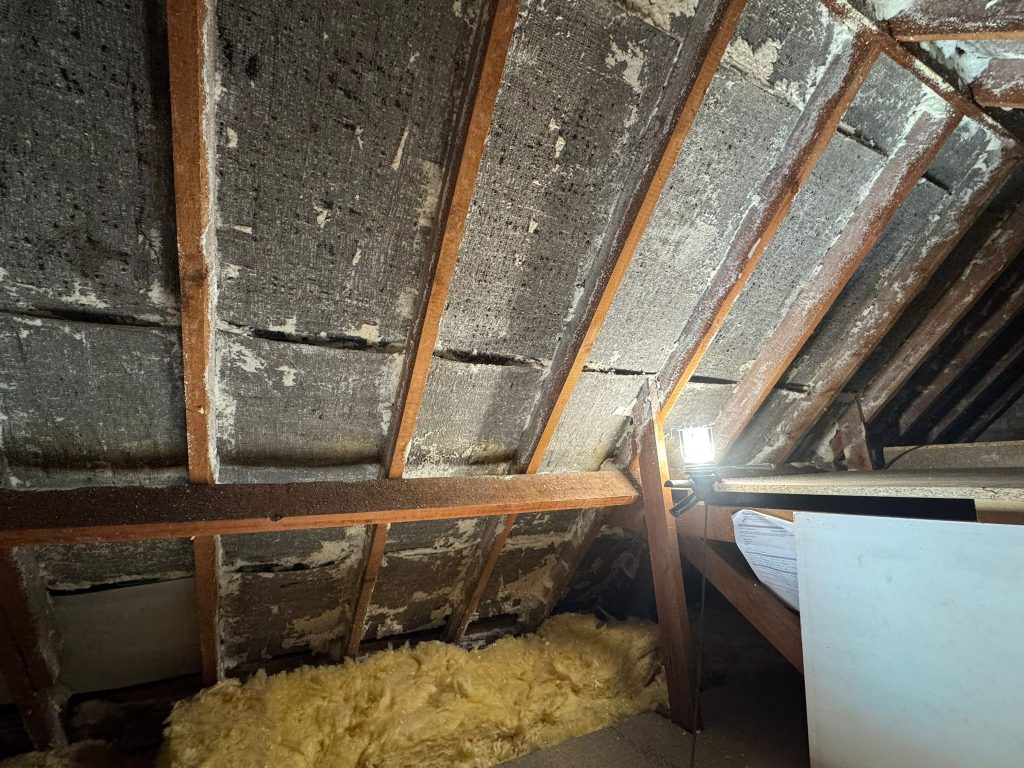
From D/E to C/B: For many older UK homes with inadequate or outdated mineral wool, installing modern multifoil insulation can be the catalyst needed to jump a full band.
Reducing Heat Loss: Traditional insulation often sags or loses effectiveness over time. High-quality solutions like our YBS SuperQuilt 19-layer foil can reflect up to 97% of radiant heat, providing a much more significant boost to thermal performance than old, damp fibreglass.
The “U-Value” Factor: EPC ratings are heavily influenced by U-values (the rate of heat loss). SuperFOIL meets strict UK Building Regulations Part L, offering a U-value of 0.16 W/m²K or lower, which is a major driver in improving your score.
Why Choose Multifoil Over Traditional Insulation?
While many homeowners assume any insulation will do, the type of insulation you choose matters immensely for your EPC results.
Space Efficiency: Traditional mineral wool can be incredibly bulky, often requiring you to sacrifice storage space. If you want to utilise your loft, using Loft Floor Insulation alongside high-performance foil allows you to maintain thermal efficiency without losing the ability to store items.
Moisture Control: Damp and condensation are the enemies of energy efficiency. Unlike traditional materials that can hold moisture and lose their insulating properties, our SuperFOIL solution includes an integrated vapour control layer. This prevents condensation and protects your structural beams, ensuring your EPC benefits last for decades.
Durability: Unlike loose-fill or fibreglass, which can settle and leave gaps, multifoil insulation maintains its shape and performance, providing a consistent thermal barrier that keeps your EPC rating high for the long term.
Beyond the Loft: Other Ways to Boost Your Rating
While improving your loft is a “quick win,” it is often part of a wider strategy. To get the most out of your energy upgrades, you might also consider:
- Exterior Wall Protection: Using hydrophobic coatings like ProPerla HomeCoat to keep walls dry and thermally efficient.
- Removing Spray Foam: If you have old spray foam that is causing mortgage issues or moisture damage, professional removal is essential to restoring your home’s value and efficiency.
Expert Advice from LoftFoil
At LoftFoil, we specialise in helping homeowners navigate these technical requirements. As official ProPerla and SuperFOIL Approved Installers, we don’t just “fit insulation”—we provide engineered solutions designed to maximise thermal retention and improve your property’s EPC rating.