Loft insulation is a key component of an energy-efficient home, helping to reduce heat loss, lower energy bills, and maintain a comfortable indoor temperature. However, over time, insulation can degrade, become less effective, or fail to meet modern standards. If you’re wondering whether your loft insulation is doing its job, this guide will help you assess its effectiveness and identify any areas for improvement.
Signs Your Loft Insulation May Not Be Working
Before diving into specific checks, look out for these common signs that your loft insulation might not be performing as it should:
- High Energy Bills: If your heating bills are unusually high, it could indicate heat is escaping through the roof.
- Uneven Temperatures: Cold spots or draughts in your home may suggest poor insulation.
- Condensation or Damp: Moisture build-up in your loft could mean your insulation isn’t properly installed or lacks adequate ventilation.
- Age of Insulation: If your insulation is over 20 years old, it may no longer meet current standards or have degraded over time.
Steps to Check Your Loft Insulation
Follow these steps to assess whether your loft insulation is working effectively:
1. Measure the Thickness
- Recommended Depth: Current UK building regulations recommend a minimum depth of 270mm for materials like mineral wool. If your insulation is thinner than this, it may not be providing adequate thermal resistance.
- How to Check: Use a tape measure to check the depth of the insulation across your loft. Ensure it’s consistent and hasn’t been compressed under storage boards or other items
2. Inspect for Gaps or Damage
- What to Look For:
- Gaps between insulation rolls or boards.
- Areas where insulation has been displaced or compressed.
- Signs of damage from pests, such as nesting or droppings.
- Why It Matters: Gaps or damage can significantly reduce the effectiveness of your insulation by allowing heat to escape.
3. Check for Moisture or Condensation
- What to Look For:
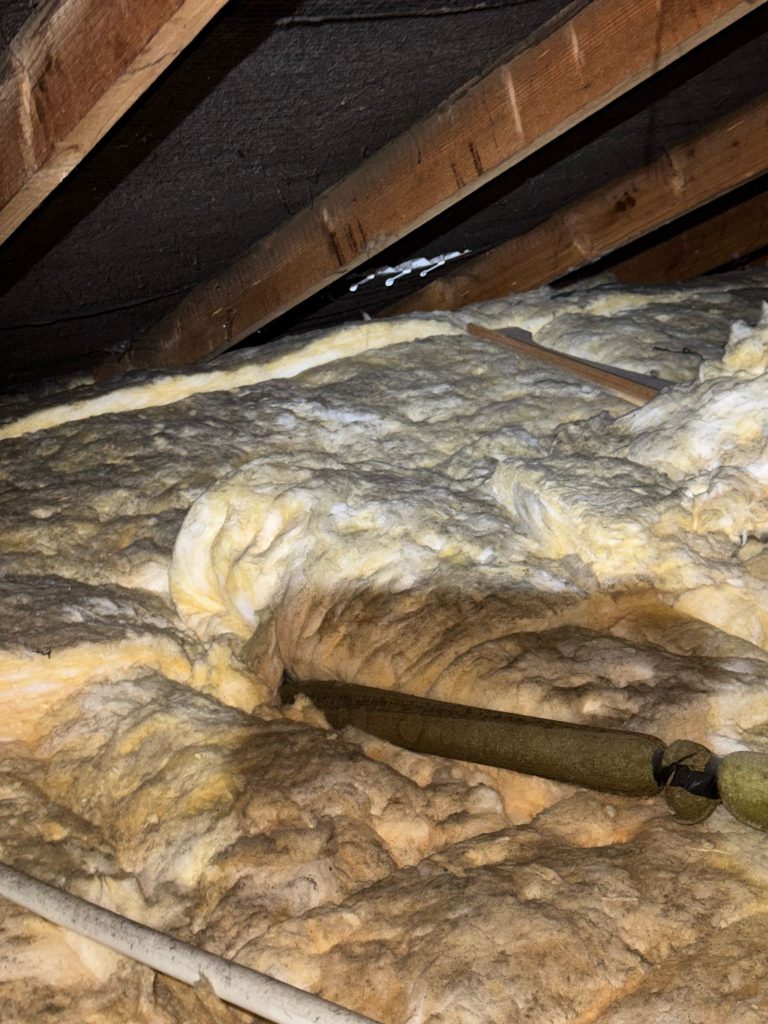
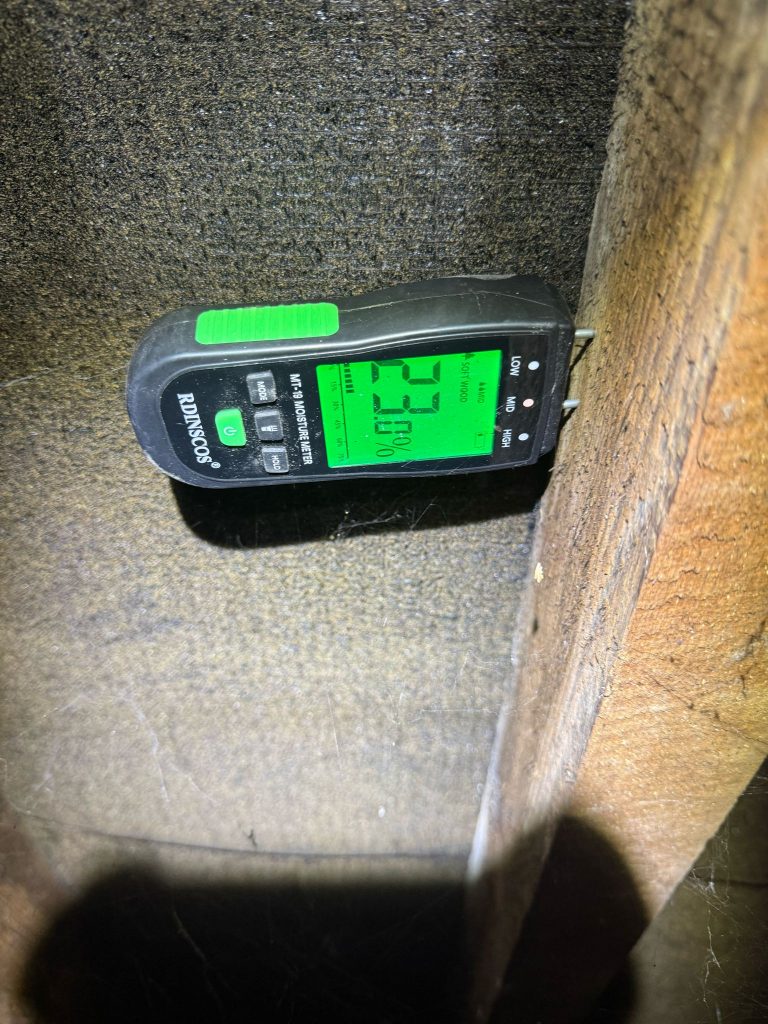
- Damp patches or mould on the insulation or roof timbers.
- Signs of condensation on the underside of the roof.
- Why It Matters: Moisture can reduce the thermal performance of insulation and lead to structural damage or health issues.
4. Assess Ventilation
- What to Check:
- Ensure ventilation points, such as eaves or soffit vents, are clear and unobstructed.
- Look for signs of poor airflow, such as a musty smell or excessive condensation.
- Why It Matters: Proper ventilation is essential to prevent moisture build-up and maintain the effectiveness of your insulation.
5. Evaluate Energy Efficiency
- How to Check:
- Compare your home’s current energy bills to previous years. A significant increase could indicate heat loss through the roof.
- Use a thermal imaging camera to identify areas of heat loss. These cameras can highlight cold spots where insulation may be missing or ineffective.
- Why It Matters: Identifying heat loss can help you target specific areas for improvement.
6. Consider Modern Standards
- What to Check:
- If your insulation was installed many years ago, it may not meet modern energy efficiency standards.
- Materials like foil insulation or rigid foam boards offer better thermal performance than older options like fibreglass or loose-fill insulation.
- Why It Matters: Upgrading to modern insulation can improve your home’s energy efficiency and reduce heating costs.
What to Do If Your Insulation Isn’t Effective
If your checks reveal that your loft insulation isn’t working as it should, here are some steps you can take:
- Top Up Existing Insulation: Add more insulation to meet the recommended depth of 270mm.
- Replace Damaged Insulation: Remove and replace any insulation that’s damp, mouldy, or infested with pests.
- Upgrade to Modern Materials: Consider switching to high-performance options like reflective foil insulation for better thermal efficiency.
- Improve Ventilation: Ensure your loft has adequate airflow to prevent moisture build-up.
- Consult a Professional: If you’re unsure about the condition of your insulation, hire a professional to conduct a thorough assessment and recommend solutions.
Why Choose Loft Foil for Your Insulation Needs?
At Loft Foil, we specialise in modern, high-performance foil insulation that offers superior thermal performance and durability. Here’s why our insulation is a great choice:
- Reflective Technology: Blocks up to 97% of radiant heat, keeping your home warm in winter and cool in summer.
- Space-Saving Design: Thinner than traditional materials, making it ideal for homes with limited loft space.
- Moisture Control: Includes a built-in vapour barrier to prevent condensation and damp.
- Long-Lasting: Designed to perform for decades without degrading.
Final Thoughts
Checking your loft insulation is an important step in maintaining an energy-efficient and comfortable home. By identifying and addressing any issues, you can reduce heat loss, lower your energy bills, and improve your home’s overall performance.
If you’re ready to upgrade your insulation or need professional advice, contact Loft Foil today. Our team of experts can help you assess your current insulation and recommend the best solutions for your home. Let’s work together to create a warmer, greener, and more energy-efficient future!