The Pros and Cons of Natural Loft Insulation Materials, what are they, and how could they affect your choice of loft insulation?
Natural loft insulation materials are becoming increasingly popular among homeowners who prioritise sustainability and eco-friendliness. These materials, derived from renewable resources, offer a range of benefits, but they also come with certain drawbacks. In this blog, we’ll explore the pros and cons of natural insulation options like sheep wool, hemp, and cellulose, and discuss whether they are the right choice for your loft.
Why Choose Natural Insulation?
Natural insulation materials are often chosen for their environmental benefits and ability to create a healthier indoor environment. They are typically made from renewable resources, are biodegradable, and have low embodied energy compared to synthetic alternatives. However, their performance and practicality can vary depending on the material and the specific needs of your home.
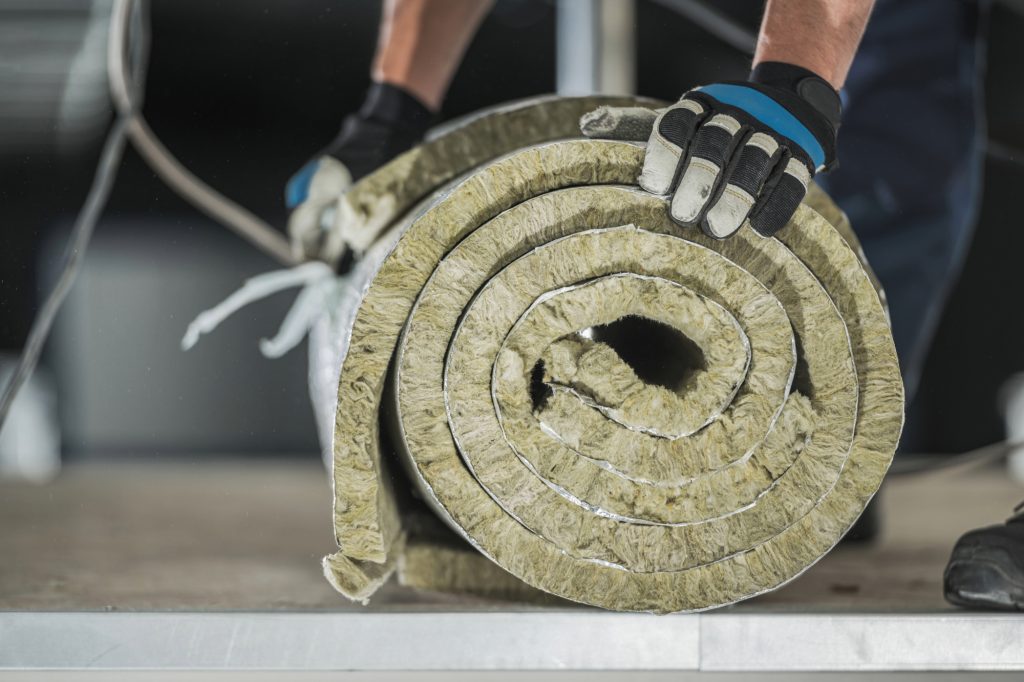
Common Types of Natural Loft Insulation
Sheep Wool insulation
Made from natural sheep wool, this material is treated to enhance fire resistance and prevent pest infestations. It is one of the most popular natural insulation options.
Hemp Insulation
Derived from the hemp plant, this material is often combined with other natural fibres to create insulation batts or rolls.
Cellulose Insulation
Made from recycled paper products, cellulose is treated with fire retardants and is often used as loose-fill insulation.
Wood Fibre Insulation
Produced from wood chips or sawdust, this material is compressed into boards or batts for use in lofts and walls.
The Pros of Natural Loft Insulation Materials
Sustainability
Natural insulation materials are renewable, biodegradable, and often made from recycled or locally sourced resources. This makes them an excellent choice for eco-conscious homeowners looking to reduce their environmental impact.
Moisture Regulation
Many natural materials, such as sheep wool, are hygroscopic, meaning they can absorb and release moisture without losing their insulating properties. This helps regulate indoor humidity levels and prevents condensation.
Healthier Indoor Environment
Natural insulation materials are free from harmful chemicals and synthetic fibres, making them safer to handle and better for indoor air quality. They are particularly suitable for homes with allergy sufferers or those sensitive to synthetic materials.
Thermal and Acoustic Performance
Natural materials like sheep wool and wood fibre provide excellent thermal insulation and soundproofing, creating a more comfortable and quieter home environment.
Fire Resistance
Some natural materials, such as sheep wool, have a high ignition temperature and self-extinguishing properties, making them a safe option for loft insulation.
The Cons of Natural Loft Insulation Materials
Higher Cost
Natural insulation materials are often more expensive than synthetic alternatives. For example, sheep wool insulation can cost between £1,000 and £2,850 for a typical loft, compared to £400 to £850 for mineral wool.
Bulkiness
Many natural materials require a greater thickness to achieve the same thermal performance as synthetic options. This can reduce usable loft space and may require additional work, such as raising the floor for storage.
Pest Concerns
While most natural materials are treated to prevent pest infestations, there is still a risk of attracting insects or rodents if the material is not properly installed or maintained.
Moisture Sensitivity
Although natural materials can regulate moisture, they may be more prone to mould or rot in damp conditions if not installed correctly or if the loft has existing moisture issues.
Labour-Intensive Installation
Natural materials like hemp and wood fibre can be heavier and more difficult to handle than lightweight alternatives. Professional installation is often recommended, which can add to the overall cost.
Limited Availability
Some natural insulation materials may not be as widely available as synthetic options, which can make sourcing them more challenging. This can also lead to longer lead times and higher transportation costs, especially if the materials need to be imported.
Are Natural Insulation Materials Right for You?
Natural loft insulation materials are an excellent choice for homeowners who prioritise sustainability, indoor air quality, and moisture regulation. However, they may not be the most practical or cost-effective option for every home. For example, if you’re looking for a thinner, lightweight material that maximises loft space, natural options may fall short.
In such cases, modern alternatives like foil insulation can offer a more practical solution. Foil insulation is thin, lightweight, and highly effective at reflecting radiant heat, making it ideal for tight spaces or homes where maintaining loft height is a priority. It also acts as a vapour barrier, reducing the risk of condensation and mould, which is particularly important in the UK’s damp climate.
Final Thoughts
Natural loft insulation materials offer a range of benefits, from sustainability to improved indoor air quality. However, they also come with certain drawbacks, such as higher costs, bulkiness, and limited availability, which may not suit every homeowner’s needs. By carefully weighing the pros and cons, you can determine whether natural insulation is the right choice for your loft.
If you’re exploring other options, modern materials like foil insulation can provide a practical, efficient, and space-saving alternative. Whatever you choose, ensure proper installation and adherence to UK building regulations to maximise the performance and lifespan of your loft insulation.