When it comes to insulating your loft, the choice of material can make a big difference in energy efficiency, comfort, and even the value of your home. Two popular options are foil insulation (also known as multifoil insulation) and spray foam insulation. Both have their strengths and weaknesses, but which one is right for you? Let’s dive into the details to help you decide.
What Are They?
Foil Insulation (Multifoil Insulation)
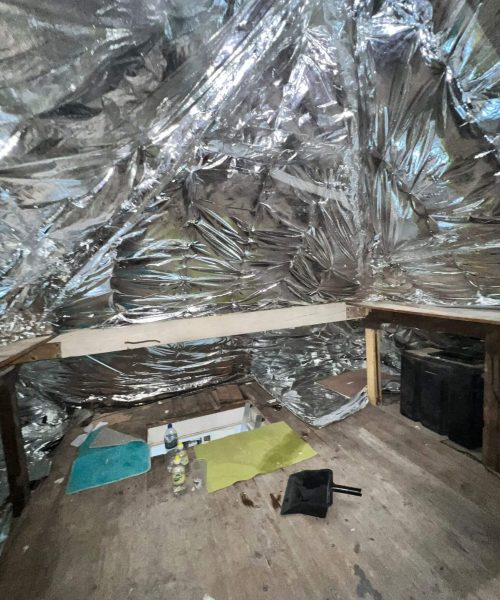
Foil insulation is a modern, lightweight material made of multiple layers of reflective aluminium foil alternated with insulating materials like foam wadding. It works by reflecting radiant heat, which is responsible for most heat loss in homes. This makes it effective in both winter (keeping heat in) and summer (keeping heat out).
Examples include: SuperFoil SF19+ and YBS Superquilt
Spray Foam Insulation
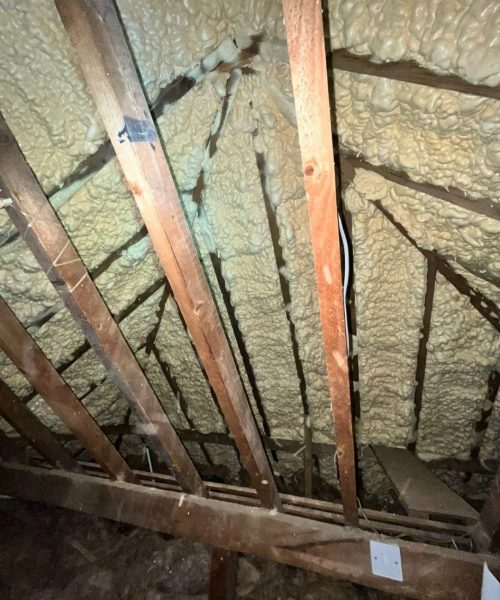
Spray foam insulation is a liquid polyurethane product that expands and hardens into a dense, airtight layer when applied. It’s sprayed directly onto surfaces, filling gaps and creating a seamless barrier. There are two main types:
- Open-cell foam: Lightweight, breathable, and spongy.
- Closed-cell foam: Dense, rigid, and highly moisture-resistant.
Thermal Performance: How Do They Keep You Warm?
| Feature | MultiFoil Insulation | Spray Foam Insulation |
|---|---|---|
| Mechanism | Reflects radiant heat (up to 97%) to maintain stable indoor temperatures. | Creates an airtight seal, reducing heat loss through convection, conduction, and air leakage. |
| Thermal Resistance | Relies on reflective layers and air gaps for optimal performance. | Closed-cell foam has a higher R-value per inch; open-cell foam has a lower R-value but allows breathability. |
| Effectiveness | Highly effective when installed with air gaps and sealed seams. | Highly effective but depends on proper application to avoid gaps or uneven coverage. |
Durability and Lifespan
Foil Insulation
- Extremely durable and often comes with a lifetime guarantee.
- Resistant to moisture and mould, making it ideal for the UK’s damp climate.
Spray Foam Insulation
- Durable but controversial. Closed-cell foam is highly moisture-resistant but difficult to remove if needed.
- Improper installation can shorten its lifespan and cause property damage.
Practical Considerations
| Feature | MultiFoil Insulation | Spray Foam Insulation |
|---|---|---|
| Ease Of Installation | Lightweight and easy to install; suitable for DIY or professional installation. | Requires professional installation with specialist equipment. |
| Space Efficiency | Thin and lightweight, maximising usable loft space. | Expands into a dense layer, which may reduce usable loft space. |
| Mortgage/Surveyor Issues | No issues with mortgages or property valuations. | Can cause mortgage refusals and property devaluation, especially with closed-cell foam. |
Cost: What’s the Price Tag?
The cost of insulation depends on factors like material type, loft size, and whether it’s a DIY or professional job. Here’s a breakdown:
- Foil Insulation: £550 – £1,000 (DIY or professional installation).
- Spray Foam Insulation: £1,050 – £3,450 (requires professional installation).
While spray foam is more expensive upfront, foil insulation offers a more cost-effective solution with fewer risks.
Environmental Impact
Foil Insulation
- Some brands use sustainable and recycled materials.
- Its thin, lightweight design reduces material usage and waste.
Spray Foam Insulation
- Energy-intensive to produce and difficult to remove or recycle.
- Closed-cell foam, in particular, has a higher environmental footprint.
Suitability: Which One Fits Your Needs?
Foil Insulation:
Ideal for homeowners seeking a clean, modern, and effective insulation solution.
Perfect for lofts where maximizing space and preventing condensation are priorities.
Spray Foam Insulation:
Suitable for properties requiring an exceptionally airtight seal or additional structural support.
Not recommended for homes with existing ventilation or moisture issues.
Pros and Cons at a Glance
| Feature | Foil Insulation | Spray Foam Insulation |
|---|---|---|
| Thermal Performance | Reflects radiant heat effectively. | Airtight seal with high R-value. |
| Installation | DIY or professional; requires air gaps. | Professional only; improper installation poses risks. |
| Durability | Long-lasting and moisture-resistant. | Durable but controversial; difficult to remove. |
| Cost | £550 - £1,000. | £1,050 - £3,450. |
| Safety | No mortgage issues; lightweight and safe. | Can cause mortgage refusals and property devaluation. |
| Environmental Impact | Sustainable options available; low material usage. | High environmental footprint; hard to recycle. |
Conclusion: Which Should You Choose?
If you’re looking for a modern, clean, and safe insulation option, foil insulation is the clear winner. It offers excellent thermal performance, is cost-effective, and avoids the risks associated with spray foam insulation. On the other hand, spray foam may be suitable for specific applications but comes with significant drawbacks, including higher costs, environmental concerns, and property issues.
For most UK homeowners, foil insulation provides the perfect balance of performance, safety, and value. If you’re considering upgrading your loft insulation, it’s worth exploring foil insulation as a reliable and future-proof solution.